The brief
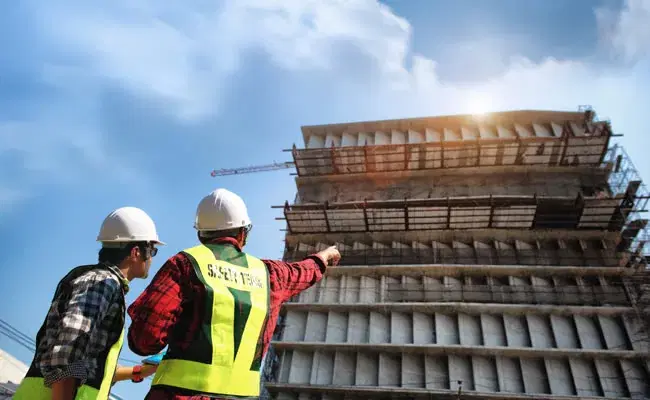
A Grade-A commercial building with a complex façade. Lightning protection should have been integrated into the façade structure at design stage — specifically, earth strips routed through the curtain-wall system with the right spacing for installation.
Why it was risky
Lightning protection omissions are a classic late surprise. They are typically caught during MEP commissioning or — worse — during statutory inspection, by which point the façade is sealed and the only remediation is a complete drawing and façade rework.
- Lightning protection missing: the earth-strip routing was not specified anywhere in the façade structural drawings.
- Inadequate spacing: even where mentioned, the design did not leave installable spacing.
- Late discovery would have meant catching it after façade installation — a multi-package consequence.
- Major revisions: complete façade drawing revisions would have followed, with significant project delay.
What Kaël did
- Integrated design verification ran structured QC workflows during the design phase, with checklists for the relevant safety elements.
- AI document verification cross-referenced the design briefs and façade drawings against technical standards, automatically flagging the missing earth-strip provision.
- Mandatory technical reviews at each design milestone formalised the gate — drawings could not progress to construction without the review record.
- Omission tracking kept spatial constraints and missing components live as RFIs and NCRs until they were closed.
- Early detection turned what would have been a façade-rework issue into a design-stage drawing revision.
Outcome
The earth-strip routing was added to the façade design before drawings were released for construction. No façade rework, no drawing reset, no project delay.