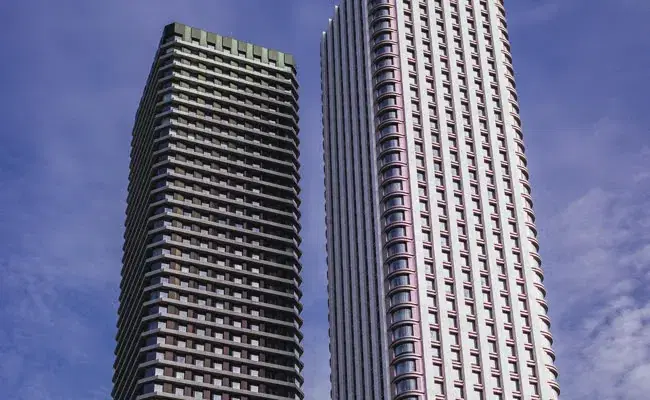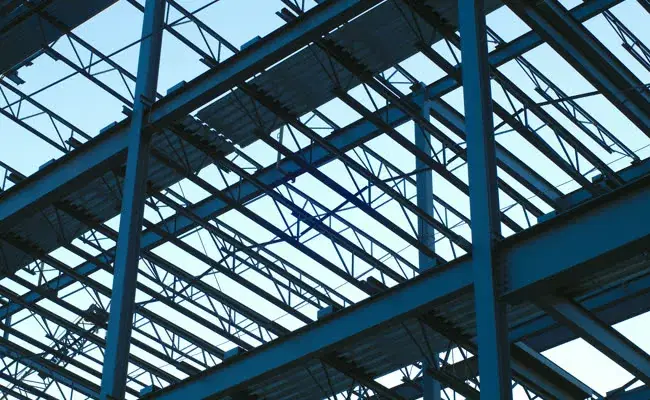
The brief
A complex ultra-luxury residential tower demanding extreme structural precision and coordination. The project carried two compounding structural risks: an inadequately captured tower-crane load case and a small but recurring column verticality error that, left alone, would have accumulated into a quarter-metre of drift by the upper floors.
Why it was risky
Both issues are typical of fast-tracked premium residential builds — and both are catastrophically expensive once construction has gotten ahead of them.
- Crane load oversight: the structural design did not adequately account for the chosen tower-crane configuration; without an upstream catch, the consultant would have been called in mid-build to retrofit steelwork and high-density concrete.
- Column drift: a 20 mm per-floor offset compounds quickly. By level 10 it is 200 mm, which is no longer tolerable for column-to-beam joint integrity.
What Kaël did
- Approved-for-construction discipline. Site teams could only execute against R-type drawings. RFIs were pushed to completion before the relevant equipment arrived, so crane load capacities were verified rather than assumed.
- Mandatory quality inspections halted execution until load calculations and structural validations were on file.
- Floor-by-floor verticality inspections. Surveyors recorded verticality against the design tolerance after each pour. Any deviation beyond 20 mm triggered an NCR with mandatory correction before the next floor could begin.
Outcome
The crane was installed against verified load calculations — no late strengthening was required. Column drift was capped at the 20 mm single-floor threshold rather than allowed to compound. Junction cracks at upper levels — the most expensive symptom of unchecked verticality drift — did not appear.