The brief
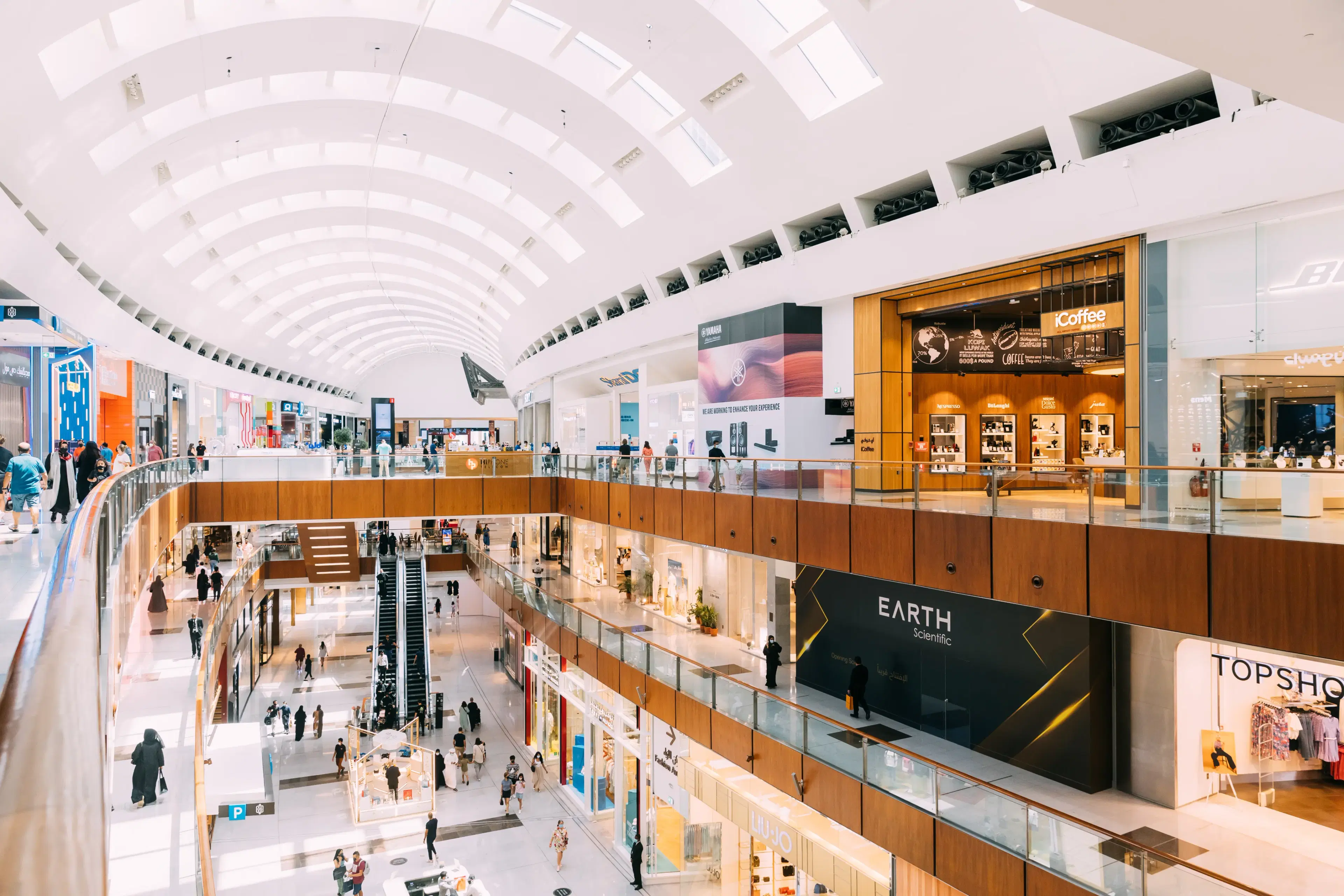
A 1.2 M sq ft commercial office park, 20+ years old and operational. The owner needed accurate as-built drawings for an aging asset that had never been comprehensively documented — both to plan a LEED-aligned renovation and to support day-to-day facility management.
Why it was risky
Older operational assets are the hardest sites to scan. Tenants are in place, services have been altered repeatedly, and there is rarely a reliable drawing to start from. Without an accurate baseline, every renovation decision is made against guesswork.
- Documentation gap meant no reliable as-built drawings were available.
- Systems coverage had to span RCC, MEP, HVAC, firefighting, and all allied services for the renovation programme to scope accurately.
- LEED alignment required documentation to feed a sustainability assessment that would judge the renovation against current standards.
- Operational blind spot constrained asset management, facility operations, and tenant fit-out planning.
What Observance did
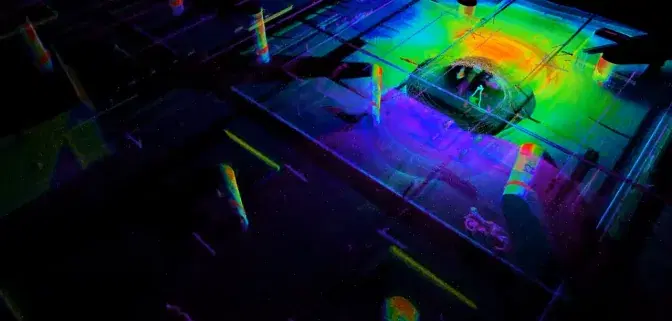
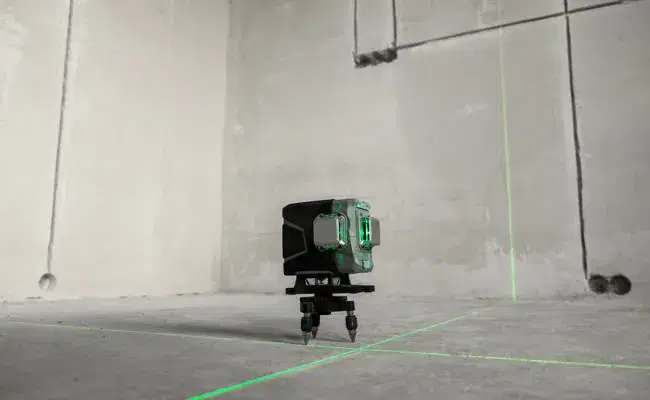
- As-built 2D documentation was delivered via end-to-end site scanning.
- Systems digitisation captured structural and service systems into a coordinated, usable documentation set.
- Digital baseline established the complete digital foundation for renovation planning, sustainability upgrades, and ongoing operations.
- Fast-turnaround QC kept delivery workflows compatible with a live, occupied asset while ensuring accuracy and usability.
Outcome
The LEED renovation foundation was established. Facility management gained an accurate base data layer. Fit-out accuracy improved for incoming tenants, and the documentation gap that had constrained the asset for two decades was closed.